
An ear that is plugged after a cold. Mild earache that comes and goes. A soft ringing sound you hear at night.
Most people don’t pay attention to these signs, believing they’ll go away on their own. They do sometimes. But a lot of the time, they don’t, and that’s when a quick ear checkup can really help.
How do you know when it’s time to get your ears checked? Let’s take it apart.
Ear Blockage: Not Just Wax
Doctors hear a lot of people say that their ears are blocked. Earwax buildup is a common cause, but it’s not the only one.
Ear obstruction could be caused by:
- Earwax that has built up
- Fluid buildup after a cold or sinus infection
- Infection of the middle ear
- Problems with the Eustachian tube
- Problems with pressure in the inner ear
It’s crucial to get your ears checked if the obstruction lasts more than a few days, keeps coming back, or impacts your hearing. If you treat the wrong reason, it could take longer to get better.
When should you worry about ear pain?
When you have a cold or allergies, your ears may hurt from time to time. But you should never overlook ear pain that keeps coming back or gets worse.
If you have any of the following, you should see a doctor about your ears:
- Pain lasts longer than two to three days.
- Pain is very bad or throbbing.
- There is a fever or ear discharge.
- The pain gets worse when you chew or lie down.
Ear pain can come from the ear itself or from the neck, jaw, or teeth. A full inspection is the only way to find out where it really comes from.
Ringing in the ears (tinnitus) isn't always safe
Tinnitus is the name for ringing, buzzing, or humming sounds, especially when they happen in peaceful places. Ringing in the ears after being around loud noises is normal, but if it happens all the time, you should see a doctor.
Some such reasons are:
- Blockage of earwax
- Infections in the ear
- Loss of hearing
- Problems with the inner ear
- Some drugs
An ear inspection can help find curable reasons early on, before tinnitus becomes a long-term problem or gets in the way of daily life.
What Happens When You Get Your Ears Checked?
A lot of folks don’t go to checkups because they don’t want to feel bad. In fact, checking your ears is quick and painless.
It usually has:
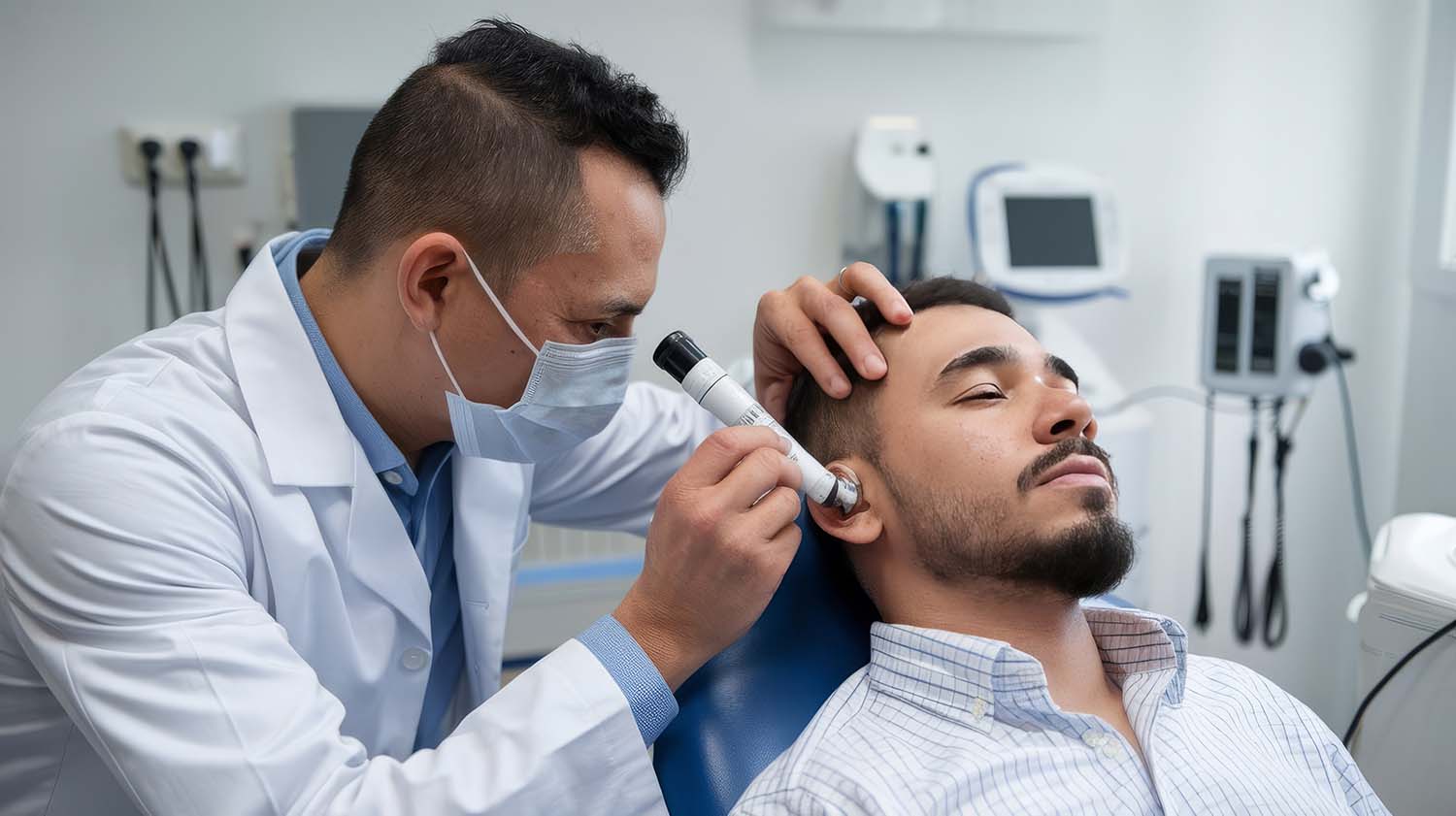
- Using an otoscope to see inside the ear canal
- Look for wax, infection, or swelling.
- Looking at the eardrum
- If necessary, a hearing test
The whole thing only takes a few minutes, but the knowledge it gives is really important.
When Kids Need an Ear Exam
Kids don’t usually say plainly that their ears hurt.
Some symptoms to look out for are:
- Pulling or scratching the ears
- Delay in speech
- Not responding well to sounds
- Colds that happen a lot and hurt your ears
- Being cranky or having trouble sleeping
Regular ear exams can help find infections or fluid accumulation early, which protects hearing and speech development.
Why ignoring symptoms can be bad for you
If you don’t treat ear disorders, they can lead to:
- Hearing loss that lasts for a short time or for good
- Infections that come back
- Problems with balance
- Tinnitus that lasts a long time
Early ear examinations can often eliminate the need for long-term medication or complicated treatment later on.
When should you make an appointment for an ear checkup?
You should consider an ear examination if:
- Pain or obstruction in the ear lasts more than a week
- The ringing in the ears won't go away.
- Hearing feels less clear or muted.
- The symptoms keep coming back.
- There is discharge or lightheadedness.
If something doesn’t feel right, it probably isn’t.
Conclusion
You shouldn’t become used to having blocked ears, pain, or ringing. They are signs, usually minor ones, that something needs to be looked at.
A quick checkup of your ears is easy, safe, and works. And in a lot of cases, it helps right away and makes you feel better.
Because early attention is always better than delaying when it comes to hearing and balance.